DentiCore Review 2026: The Short Version
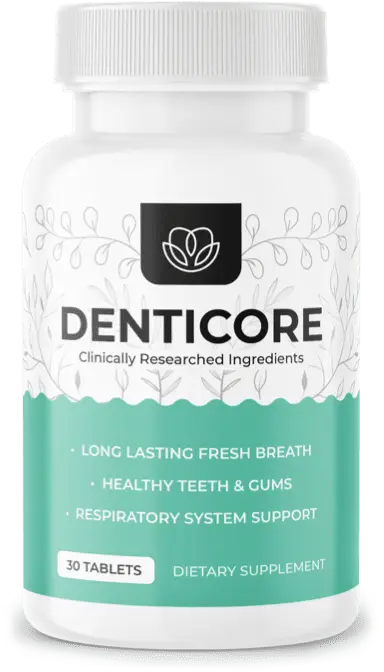
DentiCore is an oral-health dietary supplement sold as a once-daily chewable tablet. The current product page describes a blend built around calcium, iodine, copper, chromium, Chlorella vulgaris, chlorophyllin, a boron citrate complex and shilajit extract. The seller positions the formula as internal nutritional support for teeth and gums rather than as a toothpaste, rinse or dental treatment.
Our assessment is deliberately more conservative than the sales language. Some listed ingredients have plausible nutritional or oral-health context, and limited studies involving chlorophyllin or Chlorella-related preparations are interesting. However, ingredient research does not establish that the complete DentiCore formula can prevent cavities, treat gum disease, repair damaged teeth or replace evidence-based dental care. The official U.S. National Institute of Dental and Craniofacial Research continues to emphasize plaque removal, fluoride toothpaste, cleaning between teeth and routine dental care as core oral-hygiene measures.
The current offer we checked lists one bottle as a 30-day supply and states that one chewable can be taken each morning. The seller advertises a 60-day money-back guarantee. Package prices and shipping can change, so the live checkout should always be treated as the final source before paying. This page contains affiliate links, meaning Supplements Review may earn a commission from a qualifying purchase at no additional cost to the buyer.
What Is DentiCore?
DentiCore is marketed as a dietary supplement for adults interested in supporting teeth, gums, breath and general oral wellness. Unlike conventional oral-care products that are applied directly to tooth surfaces, DentiCore is consumed. That distinction matters because oral health is strongly influenced by local factors in the mouth, including dental plaque, dietary sugars, saliva, fluoride exposure, gum health and professional dental care.
The seller’s marketing places substantial emphasis on an “inside-out” theory involving oral and airway bacteria and oxygenation of gum tissues. We would not treat that narrative as an established explanation for common dental disease. Tooth decay has a well-characterized process: bacteria in dental plaque metabolize sugars and starches and produce acids that demineralize enamel. Gum disease also has established relationships with plaque and host inflammatory responses. A supplement may provide nutrients, but it should not be presented as a substitute for controlling plaque or obtaining treatment when disease is present.
The practical way to evaluate DentiCore is therefore as a supplemental product. Ask whether its ingredients are appropriate for you, whether the serving and price fit your routine, whether the evidence is relevant to the claims you care about and whether you are continuing the oral-care practices with the strongest established role.
How DentiCore Is Supposed to Work
The manufacturer’s explanation combines mineral support, botanical or naturally derived ingredients, antioxidant concepts and an oral-environment narrative. Calcium is included because mineral biology is relevant to teeth and bone. Chlorophyllin is discussed in connection with odor and microbial research. Chlorella provides a nutrient-rich microalgal component. Boron, copper, iodine and chromium are trace elements with broader biological roles, while shilajit is a mineral-rich natural substance used in traditional supplement products.
This collection of ingredients creates a plausible wellness formula, but plausibility is not the same as a demonstrated clinical effect from the finished tablet. For example, a laboratory study found sodium copper chlorophyllin inhibited several anaerobic periodontal bacteria associated with oral malodor under experimental conditions. That is useful mechanistic context, but it does not prove that swallowing or chewing DentiCore will produce the same concentrations in the mouth or the same clinical result.
Similarly, research on Chlorella-derived multicomponent supplements has reported changes in salivary measures in certain study groups. Those findings cannot simply be transferred to DentiCore because the tested product, dose, population and outcomes differ. A careful review should preserve that distinction instead of turning every ingredient study into a product testimonial.
DentiCore Ingredients Overview
The product information we reviewed lists calcium, iodine, copper, chromium, Chlorella vulgaris, chlorophyllin, boron citrate complex and shilajit extract among the formula’s highlighted components. Buyers should inspect the current Supplement Facts label at the time of purchase because formulas and disclosed amounts can change.
Ingredient transparency is especially important when evaluating a multi-ingredient supplement. Knowing that an ingredient appears in a formula is only the first step. The amount, chemical form, extract standardization and serving size influence how meaningfully a study can be compared with the product. If a blend does not disclose every individual amount, that limits the precision of an evidence comparison.
The following ingredient discussion is educational. It explains why an ingredient may be present and what type of evidence exists; it does not establish that DentiCore diagnoses, treats, cures or prevents dental disease.
Calcium and Teeth
Calcium is structurally important in mineralized tissues. Tooth enamel and dentin contain mineral, and saliva contains calcium and phosphate that participate in the dynamic process of demineralization and remineralization. This biological role makes calcium an intuitive ingredient in an oral-health supplement.
However, the presence of calcium in a tablet does not mean it can fill an established cavity or rebuild a tooth that has been structurally damaged. NIDCR explains that early enamel mineral loss can sometimes be reversed through saliva minerals and fluoride, while a formed cavity generally requires dental treatment. That is a much more precise claim than saying supplemental calcium “reverses decay.”
For someone with an adequate diet, more calcium is not automatically better. Total intake from food, fortified products and supplements matters. People with medical conditions or medications affecting mineral metabolism should discuss supplementation with an appropriate clinician rather than selecting a dose solely because calcium is associated with strong teeth.
Iodine, Copper and Chromium
Iodine is an essential trace element best known for its role in thyroid hormone production. Copper is also essential and participates in numerous enzymes and connective-tissue processes. Chromium is commonly discussed in relation to macronutrient metabolism. These are real nutritional roles, but they should not be converted into specific dental-treatment promises without direct evidence.
Some promotional pages make aggressive claims that these minerals can kill oral pathogens, reverse decay or regulate sugar “in the mouth” in a way that prevents cavities. We would want finished-product clinical evidence before repeating those claims as established DentiCore outcomes. Nutrient sufficiency and disease treatment are different questions.
Trace minerals can also illustrate why dosage matters. Essential nutrients can have upper intake limits or become problematic in excessive amounts, and iodine in particular can be relevant for people with thyroid conditions. Buyers should consider their total intake and personal medical context, not simply assume that every essential mineral is harmless at any dose.
Chlorella Vulgaris
Chlorella is a freshwater microalga used in many nutritional supplements. It contains proteins, micronutrients and other compounds, and researchers have explored possible effects on immune and salivary outcomes.
One human study of a Chlorella-derived multicomponent supplement followed 64 participants for four weeks. Overall salivary flow did not significantly change across the full group, although a subgroup with lower baseline salivary flow showed an increase. Another small randomized crossover study investigated salivary secretory immunoglobulin A after Chlorella supplementation. These studies are interesting, but neither is a clinical trial of DentiCore.
Laboratory work has also examined Chlorella extracts in dental research, including photodynamic approaches against Streptococcus mutans biofilms. That experimental setup involved light activation and a specific application method, so it would be inappropriate to claim that a DentiCore tablet reproduces that intervention. The fair conclusion is that Chlorella has emerging oral-health research interest, while direct evidence for the complete DentiCore formula remains a separate question.
Chlorophyllin
Chlorophyllin is a water-soluble derivative related to chlorophyll and has a history of use in products marketed for odor control. A 2015 laboratory study evaluated sodium copper chlorophyllin solution against several anaerobic periodontal bacteria associated with volatile sulfur compounds. At sufficiently high experimental concentrations, the solution inhibited bacterial proliferation.
This is one of the more directly oral-related pieces of ingredient evidence relevant to the formula, but it is still laboratory evidence. The study did not test DentiCore, did not evaluate the current tablet as a finished product and did not establish that taking the supplement prevents periodontal disease.
Older research has also investigated chlorophyllin for odor in other contexts, with mixed findings. That broader history is another reason to avoid a simple “chlorophyllin eliminates bad breath” statement. Persistent bad breath can arise from plaque, gum disease, dry mouth, tongue coating, tobacco use, diet and other causes; treating the cause matters.
Boron Citrate Complex
Boron is a trace element found in foods and supplements. Research has explored its relationship with mineral metabolism and bone biology, which may explain why it appears in formulas marketed around structural tissues.
The leap from general mineral or bone research to specific claims about gum repair or tooth regeneration is too large without direct evidence. If the current DentiCore label provides an exact boron amount, buyers can compare that amount with their total supplemental intake and discuss it with a professional when relevant.
Boron is a good example of our general review principle: an ingredient can have legitimate biology without proving the strongest marketing claim attached to it. We prefer to describe that biology accurately and leave uncertainty visible.
Shilajit Extract
Shilajit is a complex natural substance used in traditional health systems and modern supplements. Its composition can vary depending on source and processing. Commercial discussions often focus on fulvic substances and trace minerals.
Quality control is particularly relevant for naturally sourced mineral-rich materials. Buyers should favor products from sellers that provide appropriate manufacturing and contaminant controls. “Natural” is not a substitute for purity testing.
We did not find evidence that allows us to say shilajit in DentiCore repairs enamel or treats gum disease. Its inclusion may contribute to the product’s broader mineral and wellness positioning, but specific dental outcomes should not be assumed from traditional use or general biochemical research.
What Does the Research Actually Prove?
The strongest conclusion we can make from the ingredient review is modest: several components have biologically relevant roles or preliminary research that makes them reasonable subjects for further study. That is not equivalent to a robust clinical evidence base for DentiCore itself.
When reviewing supplements, three evidence layers are often mixed together. Layer one is basic biology: calcium is part of mineralized tissues, for example. Layer two is ingredient research: a particular chlorophyllin solution may inhibit certain bacteria in vitro. Layer three is finished-product clinical evidence: the exact commercial formula is tested in people against a suitable control using meaningful outcomes. Moving from layer one or two to layer three requires evidence; it cannot be accomplished by marketing language.
For DentiCore, buyers should therefore treat claims about healthier gums or oral support as supplement positioning rather than guaranteed therapeutic outcomes. If the seller publishes rigorous trials of the finished formula in the future, that would materially strengthen the evidence assessment.
DentiCore Benefits: Reasonable Expectations
A reasonable expectation from a dietary supplement is nutritional or general wellness support, not a guaranteed correction of dental disease. Someone may value the convenience of a once-daily chewable, the inclusion of multiple minerals and naturally derived ingredients, or the opportunity to try the product under a refund policy.
What should not be expected is that DentiCore can reliably replace fluoride toothpaste, brushing, interdental cleaning, professional cleanings, fillings, periodontal treatment or evaluation of persistent symptoms. The NIDCR recommends brushing twice daily with fluoride toothpaste, cleaning between teeth and visiting a dental professional for routine care. Those practices have a much stronger established role in preventing common oral disease.
If a buyer notices subjective changes such as breath freshness or mouth comfort, that can matter personally, but subjective improvement does not confirm that cavities, gum disease or infection have been treated. Objective dental problems should be assessed objectively.
DentiCore Pros and Cons
Potential advantages include a simple once-daily format, a multi-ingredient formula, disclosed highlighted ingredients, a direct-response refund policy and an approach that may interest consumers looking for oral-health nutrition beyond standard topical products. The seller currently states that one bottle contains a 30-day supply and advertises a 60-day guarantee.
Limitations are equally important. The finished formula does not appear to have the kind of independent, large clinical evidence that would justify strong disease-treatment claims. Some marketing explanations about airway bacteria and oxygenation go beyond what we would consider established descriptions of common tooth decay. Multi-ingredient formulas can also complicate safety assessment because users must consider the entire combination rather than one nutrient.
Finally, DentiCore is an additional expense on top of the oral-care practices that remain necessary. A buyer should not reduce spending on dental visits, fluoride toothpaste or needed treatment in order to fund a supplement.
How to Take DentiCore
The current seller information states that users take one soft chewable each morning with a large glass of water. It says the tablet can be chewed for roughly 10 to 15 seconds or swallowed directly. A bottle is presented as a 30-day supply.
Always follow the instructions on the actual product label you receive. Web pages can become outdated, and a label is the relevant source for the specific batch in your possession. Do not double the serving because you missed a day, and do not assume that a larger amount will create faster oral-health benefits.
If you take other vitamin or mineral supplements, compare labels for overlapping nutrients. This is particularly useful for iodine, calcium, chromium, copper and boron. Total intake matters more than the fact that each product individually uses a standard serving.
Side Effects and Safety Considerations
The seller states that DentiCore is tested for purity and reports no notable side effects among its customers. That is a manufacturer statement, not a substitute for controlled safety data. Individual responses to supplements vary.
Potential safety questions depend on dose, health history, allergies and medications. Iodine can be relevant to thyroid health. Minerals can interact with medications or compete with absorption in certain circumstances. Chlorella products can be unsuitable for some people depending on allergies or medication context, and naturally sourced ingredients such as shilajit make manufacturing quality important.
Pregnant or nursing individuals, people taking prescription medication and those with diagnosed medical conditions should obtain individualized guidance before starting a multi-ingredient supplement. Stop using a product and seek appropriate advice if you experience an unexpected reaction.
When You Should See a Dentist Instead
A supplement review should make this section prominent. Tooth pain, facial swelling, fever associated with dental symptoms, a broken tooth, an abscess, persistent bleeding gums, loose adult teeth or rapidly worsening symptoms require dental assessment rather than an affiliate product.
NIDCR explains that untreated tooth decay can progress to pain, infection and tooth loss. Once a cavity has formed, a dentist generally needs to remove decayed tissue and restore the tooth. Supplements cannot perform that mechanical treatment.
Persistent bad breath can also deserve evaluation because it may be related to gum disease, dry mouth or other causes. DentiCore may be something an adult chooses to add to a routine, but it should not delay diagnosis or treatment.
DentiCore Price and Packages
At the time of our August 2026 check, the seller page displayed a one-bottle option at $69 total, a three-bottle package at $177 total and a six-bottle package at $294 total. The three- and six-bottle packages were presented with free U.S. shipping, while the seller’s support information listed separate international shipping charges for several destinations.
These figures are time-sensitive. Promotions, shipping policies and checkout totals can change without this article changing immediately. For that reason, use the live checkout to verify the amount before entering payment information.
Do not choose the largest bundle simply because the per-bottle price is lower. A six-bottle purchase creates a larger upfront commitment. First-time buyers should weigh the discount against uncertainty about personal tolerance and whether they will actually use the product consistently.
60-Day Money-Back Guarantee
The current DentiCore seller page advertises a 60-day money-back guarantee. The support information indicates that customers can contact order support for refund assistance and that returns may be required under the policy.
A guarantee can reduce financial risk, but buyers should read the current terms before ordering. Save the order confirmation, note the purchase date and keep any instructions that arrive with the shipment. If you decide to request a refund, begin the process before the deadline rather than waiting until the final day.
We do not administer the guarantee and cannot approve refunds. Our affiliate relationship is separate from the seller’s customer-service obligations.
Where to Buy DentiCore
Our purchase links direct readers through the ClickBank affiliate route supplied for this review. ClickBank acts as the retailer/payment platform for many digital and supplement offers. Using the seller’s intended checkout route helps buyers verify the current package options and refund terms.
Be cautious with marketplace listings or websites that use the DentiCore name but do not clearly identify the seller or checkout provider. Supplement names can be copied, and search results can contain unofficial pages.
If you choose to purchase through a link on Supplements Review, we may earn an affiliate commission. That does not increase the evidentiary strength of the product and should not be interpreted as a medical endorsement.
Is DentiCore Legit or a Scam?
DentiCore is a real commercial supplement with an active sales funnel, product information, customer-support route and ClickBank checkout ecosystem. In that narrow sense, it is not merely an imaginary product page.
The more useful question is whether its marketing claims are supported strongly enough for your expectations. A real product can still be marketed with language that is more confident than the available evidence. We found enough information to describe the formula and current offer, but not enough finished-product clinical evidence to endorse claims that it treats cavities, gum disease or other dental conditions.
Our verdict is therefore neither “miracle” nor “scam.” DentiCore is best viewed as an optional oral-wellness supplement whose value depends on formula preference, price, tolerance and realistic expectations.
DentiCore Complaints and Buyer Concerns
We do not fabricate customer complaints or copy anonymous reviews as though they were verified facts. Instead, we focus on predictable areas of buyer concern.
The first is expectation mismatch. If someone buys DentiCore believing it will repair an established cavity or eliminate the need for a dentist, disappointment is likely. The second is bundle size: lower per-bottle pricing can encourage a large first order. The third is shipping, especially for international buyers. The fourth is refund procedure; even a long guarantee requires the buyer to follow the current process.
A fifth concern is marketing intensity. Claims about bacteria, oxygenation, detoxification and tooth repair can sound medical. Buyers should distinguish those promotional narratives from the more limited evidence available for individual ingredients.
DentiCore vs Standard Oral Care
This should not be framed as an either-or choice. DentiCore is a dietary supplement. Brushing with fluoride toothpaste, cleaning between teeth and professional dental care directly address established aspects of plaque control and disease prevention.
Fluoride is especially important in the evidence-based prevention of tooth decay because it helps strengthen enamel and can support remineralization during early decay. DentiCore should not be used as a reason to switch to non-fluoride care if a dental professional has not advised that change.
If someone wants to experiment with DentiCore while maintaining a strong oral-care routine, that is a very different decision from replacing standard care with the supplement. Our review only supports the former framing.
Who Might Consider DentiCore?
An adult who already follows appropriate oral hygiene, understands that the product is supplemental and is interested in its combination of minerals and naturally derived ingredients may consider a trial. The refund window may make a trial financially easier to evaluate.
Someone with unexplained dental pain, active infection, significant gum disease, a broken tooth or urgent symptoms should prioritize professional care. Someone taking multiple medications or supplements should also check for interaction or duplication issues before adding another multi-ingredient formula.
The product is also a poor fit for anyone expecting guaranteed whitening, cavity reversal, permanent gum regeneration or a replacement for dental treatment. Those expectations exceed what the evidence reviewed here can support.
Our Final DentiCore Verdict
DentiCore has a distinctive oral-wellness formula and a straightforward daily serving. Calcium, chlorophyllin and Chlorella each provide some relevant biological or research context, while the broader mineral blend makes sense as nutritional support. The 60-day guarantee is a practical positive if the current terms remain as advertised.
The major limitation is evidence translation. Interesting research on individual ingredients is not the same as clinical proof of the finished DentiCore tablet. We would not describe the product as proven to cure gum disease, reverse cavities, rebuild damaged enamel or eliminate the need for standard dental care.
For a buyer who understands those limits, verifies the current label and price, and continues evidence-based oral hygiene, DentiCore can be evaluated as an optional supplement. Our overall position is “consider with realistic expectations,” not “must buy.”
Frequently Asked Questions
What is DentiCore? It is a dietary supplement marketed for oral-health support. How many tablets are in a bottle? The current offer describes one bottle as a 30-day supply. How is it taken? The seller currently directs users to take one chewable in the morning with water.
Does DentiCore replace brushing? No. Continue brushing with fluoride toothpaste and cleaning between teeth unless your dental professional gives different advice. Can it fix a cavity? A formed cavity generally requires dental treatment; do not rely on a supplement to repair it. Does DentiCore contain calcium? Calcium is among the highlighted ingredients on the current product information.
Does it contain Chlorella? Yes, Chlorella vulgaris is listed. What about chlorophyllin? Chlorophyllin is also highlighted. Is there research on these ingredients? There is research relevant to Chlorella and chlorophyllin, including oral-related laboratory and salivary studies, but these are not the same as trials proving the complete DentiCore formula.
What is the guarantee? The seller currently advertises 60 days. Is DentiCore sold through ClickBank? The affiliate purchase route supplied for this site uses a ClickBank hoplink. Is it safe for everyone? No supplement should be assumed safe for everyone; health conditions, medications, pregnancy and individual sensitivities matter.
Can I take more than one per day? Follow the current product label rather than increasing the serving yourself. How quickly does it work? There is no reliable timeline we can guarantee. Can it stop bad breath? Some ingredients have odor-related research, but persistent bad breath has multiple causes and the finished product cannot be guaranteed to resolve it.
Is DentiCore a probiotic? The product pages online are inconsistent in how they describe the formula, which is one reason we rely on the current ingredient information rather than repeating every marketing label. Check the Supplement Facts panel on the product you receive. Does it whiten teeth? We did not find evidence that justifies promising a whitening effect.
Should I buy six bottles? Only if the larger upfront purchase makes sense for you after considering price, tolerance and refund terms. Where should I verify current pricing? At the live checkout. Does this website sell DentiCore? No. Supplements Review publishes affiliate content and may earn a commission when readers purchase through qualifying links.
What if I have tooth pain? Seek dental assessment, especially if pain is persistent or accompanied by swelling, fever or trauma. What if my gums bleed? Plaque-related gingivitis is common, but persistent bleeding deserves dental attention. Can I use DentiCore with other supplements? Compare overlapping nutrients and obtain professional guidance when necessary.
What is the most important takeaway? Treat DentiCore as an optional supplement, not a replacement for proven oral hygiene or dental treatment.